Parent Guide · Kids & Teens
Not Every Kids' Sport Is The Same: Recreation vs. Real Development
The difference between keeping a child busy and helping prepare a child for life.
Your child says they do not want to go to Jiu-Jitsu today.
They are tired. They lost during training. The class was difficult. They got corrected by the instructor.
Or maybe they simply say, “I don't feel like going anymore.”
For many parents, the easiest response is, “Okay. Let's find something more fun.” But there is an important question every parent should ask before making that decision:
Are you choosing an activity that entertains your child—or one that helps develop them?
There is nothing wrong with recreation. Kids should play and have fun. Softball, flag football, frisbee, and other recreational activities can create great memories, friendships, and physical activity.
But not every activity provides the same level of structure, accountability, instruction, and long-term progression. That difference matters.
A Volunteer Coach And A Career Instructor Are Not The Same Thing
Many recreational youth leagues depend heavily on parents and volunteers. Some of those volunteers are fantastic people who give their time generously to help children.
But enthusiasm and good intentions are not automatically the same as years of technical training, teaching experience, and a structured methodology.
The issue is not whether softball, football, or another recreational sport is bad. The issue is who is teaching your child, what system they are following, and what your child is being taught when things become difficult.
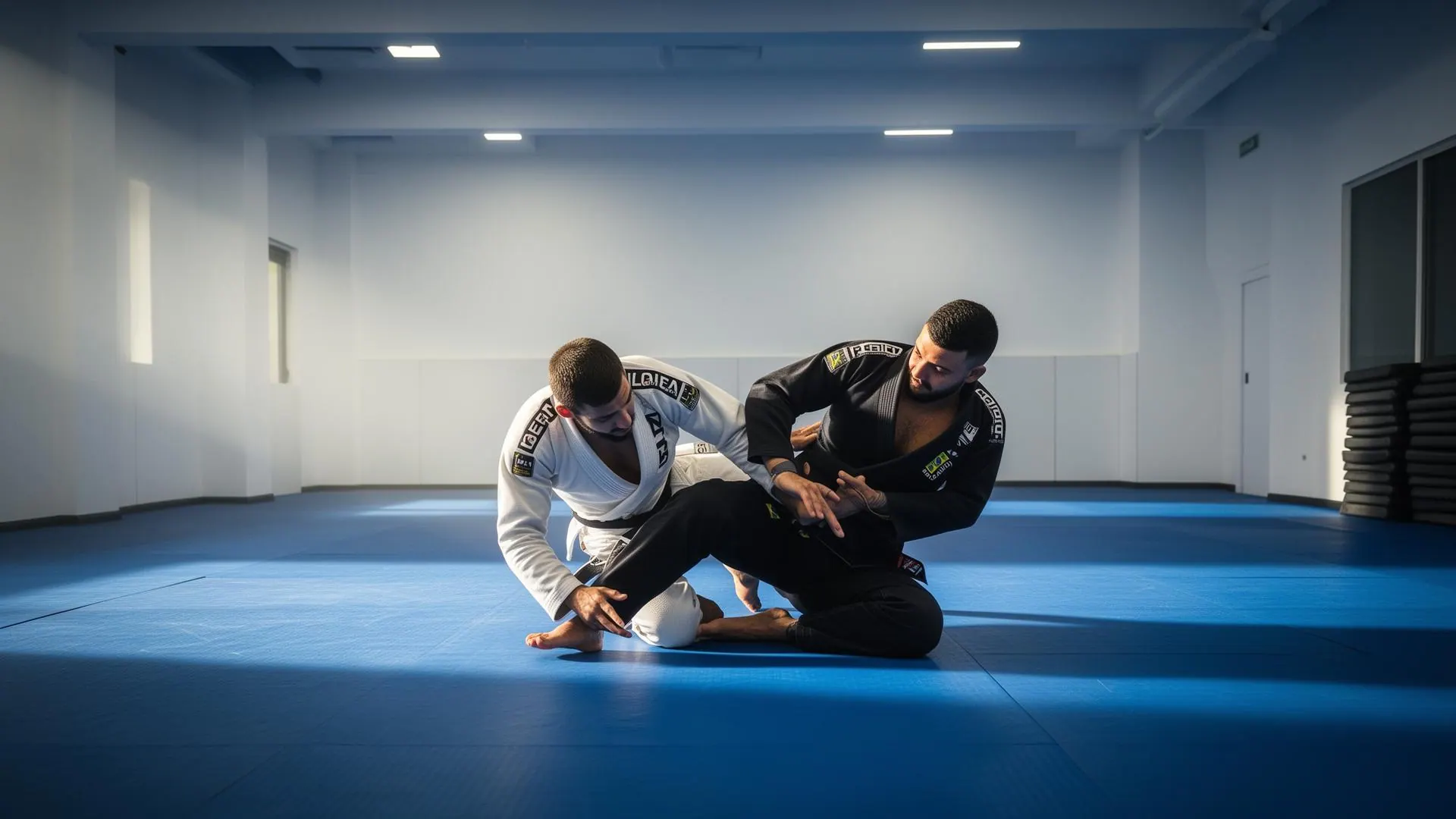
At a serious Jiu-Jitsu academy, the instructor is not simply organizing an activity for children. Teaching Jiu-Jitsu is their profession. There is technique, methodology, hierarchy, rules, expectations, progression, and accountability.
In Jiu-Jitsu, Your Child Cannot Hide From Difficulty
Your child will eventually train with someone better. They will eventually lose. They will struggle with a technique, hear “Try again,” and be corrected. They will have days when they do not feel like training.
That is not necessarily a problem. It can be part of the lesson.
One of the most valuable things a child can learn is that discomfort does not automatically mean something is wrong. Sometimes discomfort means they are growing.
The Belt Cannot Be Given Because Your Child Complained
You cannot negotiate your way to the next belt. You cannot ask your parents to give it to you. You cannot skip the difficult parts because they are not fun.
You earn progression through consistency, learning, behavior, and effort. That teaches a lesson that extends far beyond the mats: achievement requires work.
Today, it might be earning the next belt. Tomorrow, it might be passing a difficult class, building a career, leading a team, starting a business, recovering from failure, handling criticism, or finishing something they started.
The situations change. The lesson does not.
What Are We Teaching Children When We Remove Every Difficult Experience?
Parents naturally want to protect their children. But protection and preparation are not always the same thing.
If every time a child becomes frustrated we immediately remove the challenge, what lesson are we reinforcing? That frustration means stop? That losing means quit? That being corrected means find somewhere else? That everything they do must always be entertaining?
Life will eventually introduce them to teachers, professors, managers, deadlines, responsibilities, competition, rejection, and pressure. Life does not always provide an easier activity when things become uncomfortable.
Sometimes the lesson a child needs most is simply: “You made a commitment. Let's keep going.”
Jiu-Jitsu Has Something Recreation Often Cannot Replicate
A well-run Jiu-Jitsu academy gives children a clear hierarchy and progression system. They know who their instructors are. They understand the meaning of their belt. They learn how to behave on the mat and listen while someone is teaching.
They learn to control themselves when frustrated. They learn that someone can be better than them without becoming their enemy. They learn to win without humiliating others and lose without falling apart.
That is education through experience. Our article on why instructor experience matters in kids Jiu-Jitsu explains why the person leading that process is so important.
Fun Matters, But Fun Cannot Be The Only Standard
Your child should enjoy being a child. Of course. But parenting is not simply about maximizing how much fun a child has today. It is also about helping prepare the adult they will become tomorrow.
Sometimes the activity that challenges your child is precisely the activity they need. Hearing “I don't want to go today” does not always mean it is time to quit. Sometimes it is an opportunity to teach that discipline means showing up even when motivation does not.
At Mission Jiu Jitsu, We Take That Responsibility Seriously
Our Kids & Teens program is about more than learning submissions and techniques. We want children to develop confidence, discipline, respect, resilience, and the ability to keep working when something is difficult.
Our goal is not simply to give your child something to do for an hour. Our goal is to help them grow.
See The Difference For Yourself
Bring your child onto the mat. Meet the instructor. Watch the structure of the class. See how children are taught, corrected, encouraged, and challenged—then decide whether Jiu-Jitsu is the right environment for your family.
Your child's first class is free. No pressure and no commitment—just one class to experience the difference.
Frequently Asked Questions
What if my child says they do not want to attend Jiu-Jitsu today?
Listen to the reason and make sure there is no safety or health concern. When the issue is ordinary frustration, fatigue, or difficulty, calmly following through on the commitment can become an important lesson in discipline.
Should kids' sports always be fun?
Fun matters, but it does not need to be the only standard. A strong youth program can be enjoyable while also teaching children how to accept correction, work through frustration, and earn progress.
What makes a structured Jiu-Jitsu program different from recreation?
A well-run academy has professional instruction, a clear curriculum, rules, expectations, accountability, and a long-term progression system that children can understand and work toward.
How does belt progression help children develop?
A belt cannot be negotiated or awarded simply because a child wants it. Progress comes through consistency, learning, behavior, and effort, reinforcing that meaningful achievement requires work.
Can my child try a class before enrolling?
Yes. Mission Jiu Jitsu Academy offers a free first class so families can meet the instructor, observe the class structure, and experience the program without pressure or commitment.