October 23, 2026 · Parent Guide
How Often Should Kids Train Jiu-Jitsu? A Parent’s Guide
How often should kids practice BJJ? Compare one or two classes a week, Gi and No-Gi, and find an age-appropriate class in Mission Viejo.
When a child wants to try Jiu-Jitsu, the first question is often about the schedule. One class sounds easy to fit in. Three might sound like a lot, especially with school, homework, and other activities already on the calendar.
The right number of classes depends less on how fast a child can progress and more on how comfortably training fits into family life.
Is one Jiu-Jitsu class a week enough to start?
For a new student, one class a week can be a sensible beginning. It gives a child time to meet the instructor, learn the routine, and decide whether they enjoy being on the mat.
There is a tradeoff, though. With several days between sessions, a child may need reminders about movements and class expectations. That is normal, particularly in the first month.
Two classes a week can make it easier to revisit a skill while it is still familiar. It also gives the instructor more chances to see how the child is adjusting. Neither approach is automatically better for every family.
Look at your child's week, not another student's progress
A child who arrives rested and curious may get more from a class than one who is already exhausted by a full afternoon of activities. The goal is to create a routine they can keep.
Before adding another training day, consider a few ordinary questions:
- Does your child look forward to class, or need a lot of pressure to attend?
- Is there enough time for dinner, homework, and sleep?
- Does your child have time to recover from other sports?
- Can your family manage the trip consistently?
If the answers suggest the schedule is too crowded, keeping one class for now is a reasonable choice.
Should kids train both Gi and No-Gi?
Gi classes use the traditional Jiu-Jitsu uniform. No-Gi classes use different training clothes and do not rely on grabbing a jacket or pants for control. Both involve learning balance, positioning, and safe ways to move with a partner.
Mission Jiu Jitsu Academy lists both Gi and No-Gi sessions for young students on its weekly schedule. Parents can ask the team which class is the best starting point for their child's age and experience.
A child does not need to master one format before asking about the other. The most useful first step is joining an appropriate class and getting comfortable with its routines.
How can parents tell whether the schedule is working?
Progress is not always a new belt or a technique performed perfectly. During the first few weeks, watch for small changes in familiarity.
Your child might remember where to line up, recognize an instruction, or start a partner activity with less hesitation. Those are practical signs that the environment is becoming less new.
Ask the instructor what they are noticing. A coach can often suggest whether your child would benefit from another session or simply more time with the current routine.
What about training more than twice a week?
Some children eventually ask to train more often, especially when they make friends and enjoy practicing. Extra sessions can be useful when a child has the interest, energy, and family schedule to support them. More is not always better, though.
A child who is constantly tired, frustrated, or reluctant to attend may need a simpler routine. Talk with the instructor before changing the schedule. Consistency matters, but so do rest and enthusiasm.
A useful question after every class
Instead of asking whether your child won a round, ask what they learned or which part was difficult. Their answer may tell you more about their relationship with training than a belt color or comparison with another child.
At Mission Jiu Jitsu Academy, the instructor can help families decide which available session fits the student's age and experience. That conversation is more useful than following a universal number of classes per week.
Build a routine your family can keep
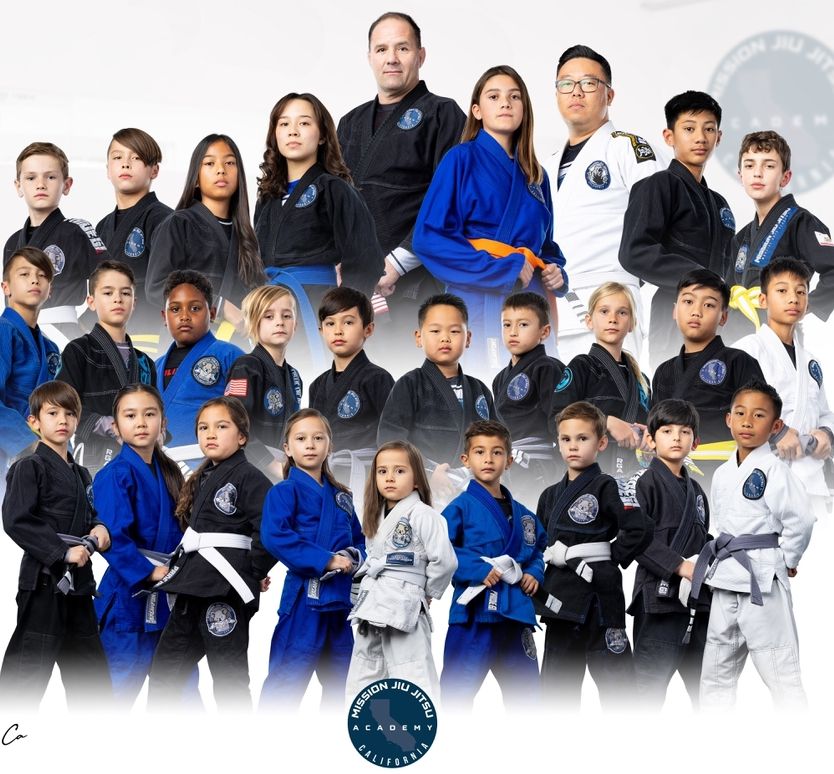
At Mission Jiu Jitsu Academy in Mission Viejo, the kids program serves ages 5 to 11, with separate options for older students. Families can review the current class schedule before choosing a day that fits.
If you are deciding where to begin, start with one trial class. Your child can experience the room, and you can ask the team about the training frequency that makes sense for your family.
Next step: Explore the kids program and book a free trial at Mission Jiu Jitsu Academy.